
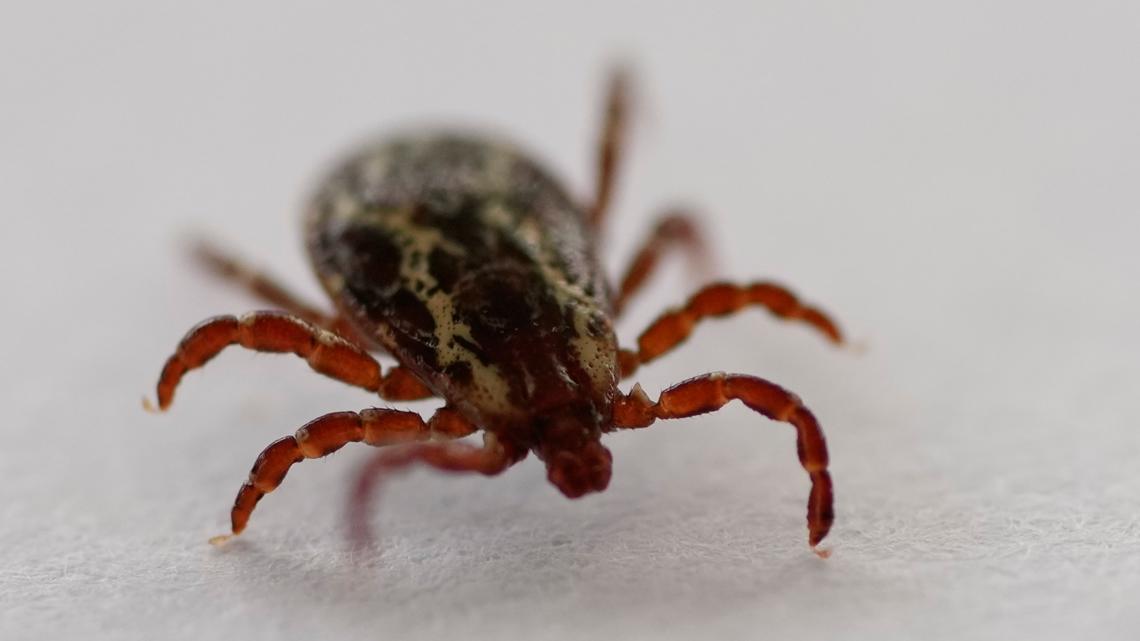
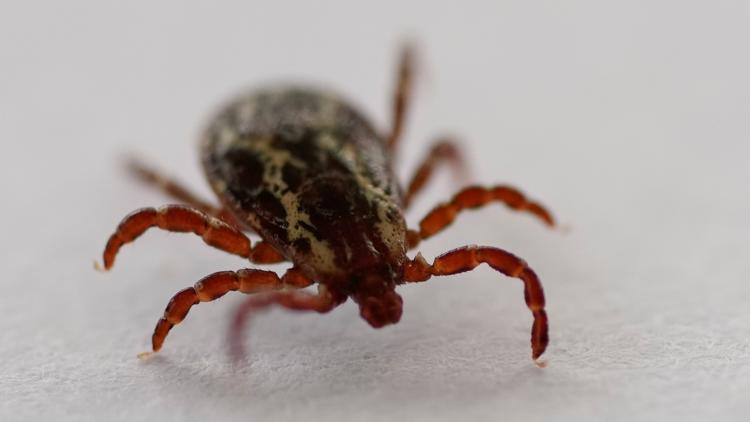
The Trump administration is rolling out a series of initiatives aimed at combatting Lyme disease and other illnesses that are spread by ticks.
WASHINGTON — The Trump administration is rolling out a series of initiatives aimed at combatting Lyme disease and other illnesses that are spread by tick bites.
U.S. Health and Human Services Secretary Robert F. Kennedy Jr. announced the efforts Friday during an event in New Hampshire, where high rates of tick-borne illnesses are reported.
“We are going after this disease at its source, driving faster diagnostics and new prevention strategies, and delivering the urgency and action Americans deserve,” Kennedy said.
The multipronged strategy includes projects designed to reduce tick populations, expand funding for research and innovation, and strengthen partnerships with federal agencies and outside organizations to support the development of improved testing, treatments, and prevention measures for a range of tick-borne diseases.
The National Institutes of Health and the U.S. Centers for Disease Control and Prevention are working with HHS on these efforts.
The CDC shared an alarming report in late April showing that emergency room visits due to tick bites were higher than normal in all regions of the country except South Central, with numbers the highest they’ve been for the same time of year since 2017.
Ticks are parasites that wait for host animals to brush by them so they can hitch a ride on their host, burrowing themselves in to feed off their host’s blood.
When the tick bites and becomes embedded, that’s when it can transfer bacteria, viruses, or pathogens to its host. Not all ticks spread diseases, but a few species are more likely to carry certain illnesses.
Lyme disease, for example, was first discovered in the Northeast in the 1970s and is most commonly transmitted by blacklegged deer ticks. Now, it’s one of the fastest-growing health threats nationwide, with more than 476,000 people diagnosed in the U.S. each year.
However, due to a variety of factors, the species is exploding in the Northeast and is on the move, spreading wide and fast across the U.S. Cases of Lyme disease are now being found throughout the mid-Atlantic and central parts of the U.S.
HHS officials said the initiative is part of a broader effort to reduce Lyme disease cases nationwide by 25% by 2035.